ITS Logistics

ITS Logistics Releases February US Port/Rail Ramp Freight Index

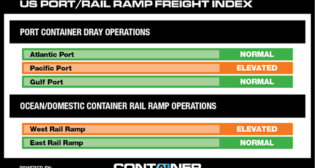
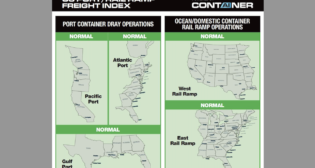
The February forecast for ITS Logistics’ US Port/Rail Ramp Freight Index shows that operations “have returned to normal in all regions following the Lunar New Year peak and light inventory front loading to avoid anticipated bottlenecks,” the Nevada-based third-party logistics (3PL) firm reported Feb. 18. The firm also noted that “the most significant current unknowns for the industry are the potential effects of tariffs and their impact on trade lanes.”

(Image Courtesy of ITS Logistics)

ITS Logistics Issues US Port/Rail Ramp Freight Index

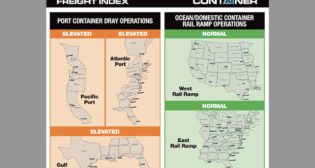
The January forecast for ITS Logistics’ US Port/Rail Ramp Freight Index shows that operations throughout North American ports and ramps “are running relatively smoothly and are expected to remain so through the month, with the exception of the Port of Vancouver,” the Nevada-based third-party logistics (3PL) firm reported Jan. 21. The firm also noted that the U.S. Administration’s confirmed 25% tariff increase for Canada and Mexico is expected to occur as soon as Feb. 1 and could create a “front-loading” serge.

(Image Courtesy of ITS Logistics)
  • News

ITS Logistics Releases Supply Chain Report

Inflationary pressure and monetary policy uncertainty are among the key concerns that could impact the supply chain in 2025, according to ITS Logistics’ latest report.

ITS Logistics Releases July Port/Rail Ramp Index

ITS Logistics on July 26 reported that “pre-retail-peak season shipping activity has brought moderate volume increases to most markets, but a lack of equipment has stressed import volumes at origin.” Additionally, “due to the overseas import origin equipment shortages, shippers are having to book into new North American entry points outside of their current supply chain network.”

ITS Logistics Releases June Port/Rail Ramp Index

ITS Logistics on June 24 reported that “all markets have stabilized for ocean and rail container demand” and encourages supply chain professionals “to be aware of significant volumes entering the U.S. West Coast via Seattle-Tacoma (SEATAC) and Los Angeles and Long Beach (LA/LB) and for inland port intermodal (IPI) legs to be canceled.”