Commentary
Ninth of a Series: Here Comes the Judge! What’s Next?
Written by David Peter Alan, Contributing Editor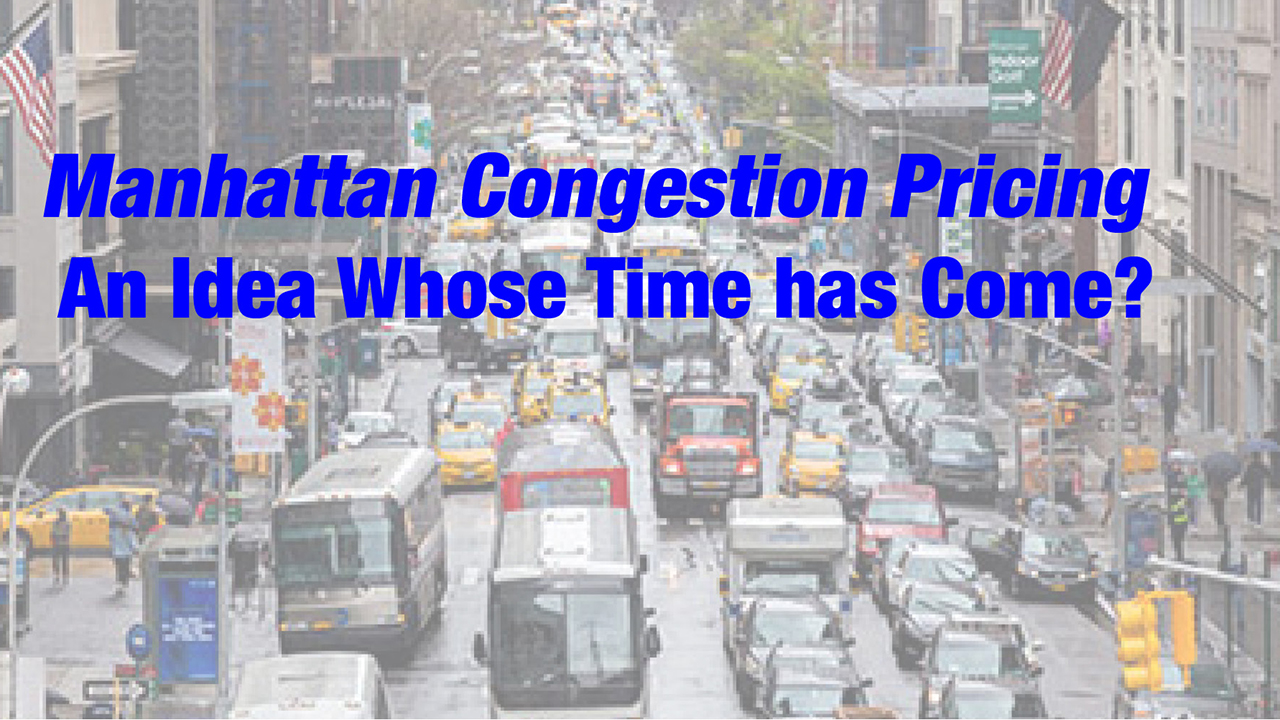
At this writing, there are court cases about congestion pricing pending in federal courts on both sides of the Hudson River, or as longtime New Jersey advocate Albert L. Papp calls it: the “Hudson Ocean.” If Papp’s characterization were ever accurate, it is now. Federal highway officials have issued a Finding of No Significant Impact (FONSI) and an Environmental Assessment (EA) of New York’s plan to charge tolls for most vehicles entering the Central Business District (CBD) in Manhattan, which is defined as everywhere south of 60th Street, except for highways and an underpass around its perimeter. The program has two objectives: reducing congestion and raising money for New York Metropolitan Transportation Authority capital projects.
As we reported previously in this series, the State of New Jersey and several other plaintiffs sued in Federal District Court for the District of New Jersey to have the determinations from the Federal Highway Administration (FHWA) which support the congestion pricing plan declared invalid. Other parties opposed to the plan sued in comparable courts for the Southern District of New York (located in Manhattan) and the Eastern District of New York (located in Brooklyn). All three of the New York cases were consolidated, and they are being heard in the Southern District. The cases are more about administrative and environmental law than about transportation, but potential funding that the MTA plans to use for capital improvements, billions of dollars’ worth, hangs in the balance.

At this writing, the New Jersey case is scheduled for oral argument on April 3 and 4, and Judge Leo M. Gordon of the Court of International Trade (normally in Manhattan but assigned by Supreme Court Chief Justice John Roberts to the District of New Jersey) will issue a ruling, now expected in June. At the same time, three cases filed by elected officials and organizations in New York who oppose the congestion toll have filed actions in federal courts in New York. They have been consolidated in the Southern District, but they have not advanced as far in the process as the New Jersey case has.
With several cases against the same group of defendants (federal and state transportation officials, as well as the MTA, which plans to use the money at issue for capital projects, and the Triborough Bridge and Tunnel Authority, an MTA affiliate that will collect the tolls through E-Z Pass and has already installed the transponders for that purpose), the New Jersey case and the New York cases would move through the judicial pipeline at different times, and a nightmare scenario of one judge approving the FONSI and the EA, while the other declares them invalid, looms as a possibility.
Personal disclaimer: While I practice law, I am not familiar with federal courts. They operate somewhat differently than the courts established by the states, like New York and New Jersey. Some of the defendants are federal officials operating under federal statutes, so the cases are in the federal courts. Rule 42 of the Federal Rules of Civil Procedure (FRCP) allows judges to consolidate cases on motion by one or more parties, and for good cause. There are several factors that the judge is required to consider when deciding. The judge in the Eastern District ruled that consolidation would be appropriate and transferred the case to the Southern District. In that case, brought by Michael Mulgrew and his union, the United Federation of Teachers, along with other plaintiffs, the decision noted that all three New York cases arose out of the same set of facts, that the defendants are the same, and that consolidation avoided duplication of effort with one judge hearing all of them together.
At this writing, nobody has asked for consolidation of the New Jersey case and the Southern District cases. If anyone does, it would be possible for a judge to grant such a request, because the facts and defendants are the similar, even though some of the arguments are different from one case to another. The rule does not prohibit consolidating federal cases brought in different states if the conditions for consolidation are met, but there are also reasons why the cases might not be consolidated.
Both sides in the New Jersey case have requested summary judgment, which means that the do not believe that there are any disputes over facts that would require a trial, that there are only questions of law left for the judge to determine. There is an extensive record from the administrative processes regarding the congestion pricing proposal. Essentially, the big issue is whether highway officials complied with the applicable statutes: the National Environmental Policy Act (NEPA), the Administrative Procedure Act (APA), and the Clean Air Act when considering and approving the tolls.
Consolidating the cases would have the advantages of giving all sets of plaintiffs the opportunity to make their arguments before the same judge, while the defendants would face all plaintiffs together, rather than having to face each set separately. There would also be no risk of an outcome where there would be inconsistent rulings in the two districts. Even on appeal, the two states are in different federal appellate circuits: New York is in the Second Circuit with Connecticut and Vermont, while New Jersey is in the Third Circuit with Pennsylvania and Delaware. If the two circuits were to disagree on the results, which could happen, only the U.S. Supreme Court could make the final determination, if they choose to do so. In any event, that process could take years, with no toll or its money for MTA repairs.
Procedurally, the New Jersey case is further along in the process than the cases in the Southern District of New York. Mulgrew’s case was only consolidated with the previously filed Southern District cases late in February. The defendants must file an Answer to the plaintiffs’ Complaint, and most cases included a number or pretrial motions after that. The other two cases will have to wait while Mulgrew catches up to them on the calendar. It seems reasonable to expect that the parties in the New York cases will also ask for summary judgment, as the parties in the New Jersey case did. The record is essentially the same for all the cases now pending, which would tend to support a summary judgment request.
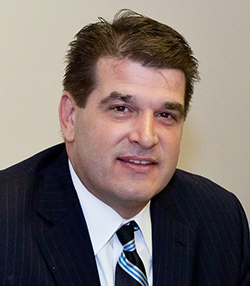
There is also the case brought by Fort Lee Mayor Mark Sokolich (of “Bridgegate” fame) and other Fort Lee residents, also in the District of New Jersey. U.S. District Judge Brian R. Martinotti denied the plaintiffs’ motion to consolidate that case with the one brought in the same district by Gov. Murphy and others, so it is proceeding separately. What will happen to that case if the State’s case is consolidated with the ones pending in the Southern District of New York is unclear, but it would remain a stand-alone matter.

Judge Gordon is moving quickly on the New Jersey case, though. He has scheduled oral argument for early April, and a decision on June is possible. The MTA is in a hurry, too. It had to postpone several contracts for projects that would be funded by revenue from the proposed tolls, as Railway Age reported on Feb. 16. So, any delay in getting a ruling on the issues in the cases will also delay the start of all the projects that the MTA wants to pursue with the money that the tolls would contribute. There is also potential to increase the cost of the repairs and improvements that the MTA wants to make, because a long delay will allow the system to deteriorate further, which would make repair projects more expensive, an effect that would act cumulatively along with the ongoing inflation.
It could take years before the issues concerning congestion tolling are finally resolved. Judge Gordon’s decision is likely to be the next step in the process. Unless events intervene, we will report on that decision in the next article in this series.