
Transit Briefs: MARK, Denver RTD
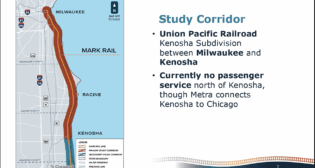
The Milwaukee Area-Racine-Kenosha (MARK) Rail Commission is established in Wisconsin to study passenger service. Also, Denver Regional Transportation District (RTD) in Colorado launches “open payments” with Masabi.
The Milwaukee Area-Racine-Kenosha (MARK) Rail Commission is established in Wisconsin to study passenger service. Also, Denver Regional Transportation District (RTD) in Colorado launches “open payments” with Masabi.
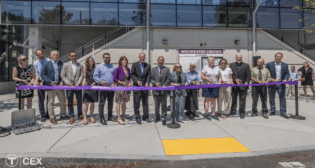
Massachusetts Bay Transportation Authority (MBTA) celebrates completing the Winchester Center Commuter Rail Station accessibility project. Also, Autorité régionale de transport métropolitain (ARTM) in Montreal is deploying a new fare collection system; and Transit Ambassadors at Los Angeles County Metropolitan Transportation Authority (LACMTA) ratify their first union contract.
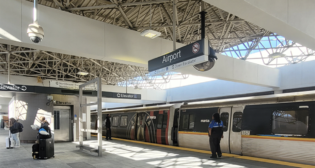
Metropolitan Atlanta Rapid Transit Authority (MARTA) reopens its Airport Station following a six-week renovation project. Also, the New York Metropolitan Transportation Authority (MTA) highlights upcoming milestones in its transition from MetroCard to OMNY, the contactless fare payment system; and Amtrak seasonal service to Old Orchard Beach, Maine, resumes.
The Denver Regional Transportation District (RTD) will offer train and bus riders another mobile fare payment option: the Lyft app. Ticket prices will be the same. Rollout is expected in the coming weeks.
The San Joaquin Council of Governments (SJCOG) is offering a new regional mobile ticketing and fare payment system for riders across seven transit systems in California’s Central Valley.
Trapeze Group and Masabi have collaborated to offer transit agencies an integrated fare payment solution aimed at revolutionizing the rider experience and changing the way public transit agencies deliver Mobility-as-a-Service to their communities.
A survey conducted by FPaaS (Fare Payments-as-a-Service) provider Masabi says that more than 40% of Americans are combining public transit with ridesharing, and primarily value convenience when deciding whether or not to use public transportation. Masabi conducted the online survey in the fall of 2019 with a group of more than 2,500 U.S. residents across different age categories, geographies and gender. Mot all respondents had access to public transit services, “so much of the data is based on the responses of the 500 U.S. residents for whom public transportation is an available option,” the company noted.
Masabi, a global developer of FPaaS (Fare Payments-as-a-Service) for public transport, on Feb. 6 announced that it has finalized an investment from Shell, among the world’s largest oil and gas companies. “This investment will help support the global expansion of Masabi’s Justride platform, which is bringing cutting-edge ticketing technology and enabling Mobility-as-a-Service (MaaS) for public transport operators and authorities of all sizes around the globe,” the company said. Masabi and Shell did not disclose the terms of the investment.
The ticketing industry is continuously evolving, and it’s not just the type of physical ticket that is changing but the very notion that many passengers don’t even want one or need one, and certainly don’t want to wait in line to purchase a piece of custom media from their transit agency.